In a major political defeat for U.S. President Donald Trump, Democrats captured both chambers of Congress in Tuesday’s midterm elections. The result sets up a sharply divided government for the remainder of Trump’s second term.
The outcome also gives Democrats the power to challenge the White House from Capitol Hill, where Republican majorities had largely supported the president’s agenda.
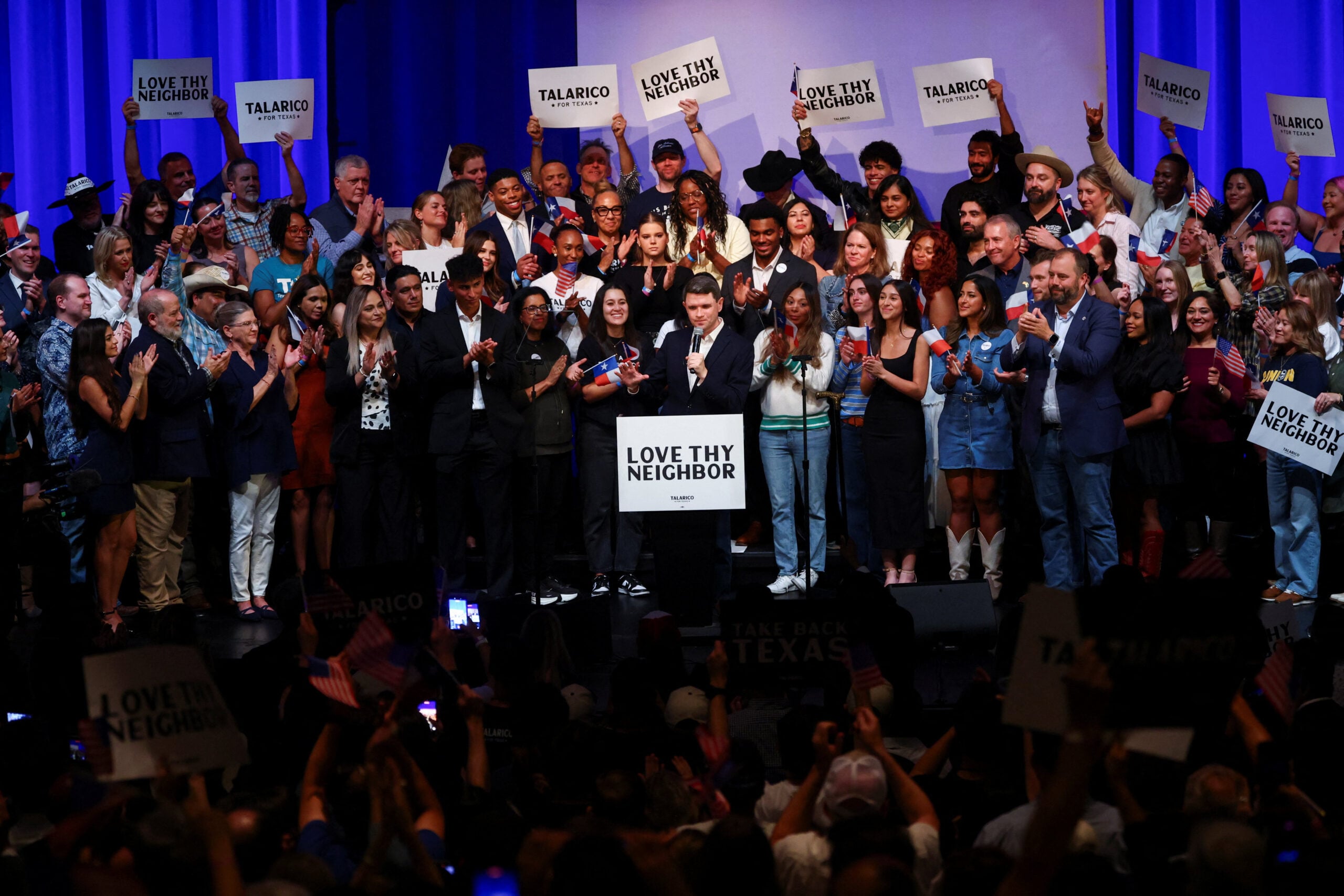
Democrats won in some states long considered Republican strongholds. In Texas, Democrat James Talarico won a U.S. Senate seat, while Gina Hinojosa defeated Republican Gov. Greg Abbott, who was running for his fourth term. In Kansas, voters chose Adam Hamilton as the state’s first Democratic senator since 1932. In South Carolina, Democrat Annie Andrews beat Darline Graham, the sister of Republican Senator Lyndsey Graham, who died suddenly in July.
In Michigan, Abdul El-Sayed beat Republican Mike Rogers to become the first Muslim elected to the Senate. Democrats also gained more than two dozen Republican-held House seats, including in districts that voted decisively for Trump in 2024.
The cost of living, the U.S. war with Iran and questions about government corruption factored heavily in the election according to exit polling. An AP voter poll found that roughly eight in 10 voters said inflation had imposed at least moderate financial hardship on their households. About three-quarters rated the national economy negatively. Those findings suggest economic dissatisfaction remained potent despite Trump’s 2024 victory on a promise to improve affordability.
The change in control will have immediate consequences when the new Congress convenes in January. Democrats will be able to lead committees, call hearings and press for documents on administration decisions. Their Senate majority can also block presidential nominees. Democratic leaders have signaled that investigations into senior officials and Trump’s business interests will be among their priorities, alongside efforts to reduce household costs.
House Democratic leader Hakeem Jeffries, who is positioned to become the first Black speaker of the House, has outlined an early legislative agenda focused on affordability and oversight. Still, Trump retains the power to veto bills, meaning control of Congress does not guarantee their proposals will become law.
Trump rejected the idea that the results amounted to a personal repudiation. He argued that he was not on the ballot, criticized unsuccessful Republican candidates and indicated he would veto legislation he viewed as too extreme. Still, he said he would accept the results and left open the possibility of cooperation on selected issues.
Based on reporting from Assoicated Press and Reuters